Picked this up from a Nieman Labs newsletter.
Instagram Is the Internet’s New Home for Hate
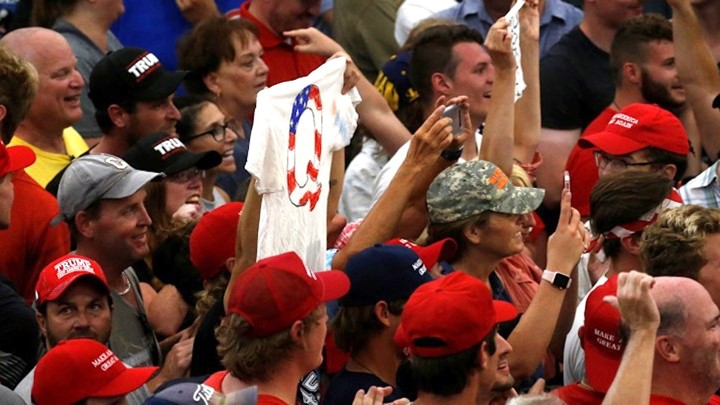
When Alex, now a high-school senior, saw an Instagram account he followed post about something called QAnon back in 2017, he’d never heard of the viral conspiracy theory before. But the post piqued his interest, and he wanted to know more. So he did what your average teenager would do: He followed several accounts related to it on Instagram, searched for information on YouTube, and read up on it on forums.
A year and a half later, Alex, who asked to use a pseudonym, runs his own Gen Z–focused QAnon Instagram account, through which he educates his generation about the secret plot by the “deep state” to take down Donald Trump. “I was just noticing a lack in younger people being interested in QAnon, so I figured I would put it out there that there was at least one young person in the movement,” he told me via Instagram direct message. He hopes to “expose the truth about everything corrupt governments and organizations have lied about.” Among those truths: that certain cosmetics and foods contain aborted fetal cells, that the recent Ethiopian Airlines crash was a hoax, and that the Christchurch, New Zealand mosque shootings were staged.
Instagram is teeming with these conspiracy theories, viral misinformation, and extremist memes, all daisy-chained together via a network of accounts with incredible algorithmic reach and millions of collective followers—many of whom, like Alex, are very young. These accounts intersperse TikTok videos and nostalgia memes with anti-vaccination rhetoric, conspiracy theories about George Soros and the Clinton family, and jokes about killing women, Jews, Muslims, and liberals.
Recent posts by @the.new.federation, which has more than 38,000 followers, include a post likening Representative Maxine Waters to an ape, one that labels an image depicting prison rape as “how socialism works,” and several suggesting that Ruth Bader Ginsburg died months ago and is “better off dead.” Yesterday, it asked, “If Muslims can behead Christians, why can’t we do the same to them?” That post has 2,088 likes.
A post from @unclesamsmisguidedchildren, which has more than 559,000 followers, implies that John Podesta is partially responsible for the New Zealand shooting. That post has more than 8,300 likes. A post made four days ago includes a video promoting the conspiracy that more than 22 Islamic terror camps operate in the United States and are likely responsible for the shooting in Parkland, Florida. It has been viewed more than 200,500 times.
Thank G-D! I have a 19 yr old and we keep seeing more GenZ’ers being awake and following #QAnon movement‼️— Qatzman ♋️ (@katzman_69) December 31, 2018
🙏🇱🇷✌️🇱🇷🙏 https://t.co/0eoQYJYga6
In an email, an Instagram spokesperson told me that the company and its parent, Facebook, “continue to study trends in organized hate and hate speech and work with partners to better understand hate organizations as they evolve.” The spokesperson added, “We ban these organizations and individuals from Instagram and also remove all praise and support when we become aware of it. We will continue to review content, accounts, and people that violate our policies and take action against hate speech and hate organizations to help keep our community safe.”
Since 2016, social-media companies have come under fire for allowing white supremacy and other extremist ideologies to spread. YouTube’s algorithms have been shown to push people further toward the fringes; a New York Timesheadline called the site “the Great Radicalizer.” Facebook is notorious for allowing anti-vaxxers and other conspiracy theorists to organize and spread their messages to millions—already, the top two most-shared news stories on Facebook in 2019 are both false. Twitter, too, has been criticized for being slow to police the misinformation that spreads on its platform.
But Facebook, Twitter, and YouTube are not where young people go to socialize. Instagram is.

No comments:
Post a Comment